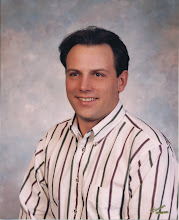
You're an 19 year old kid. You're critically wounded, and dying in the jungle in the Ia Drang Valley , 11-14-1965, LZ X-ray, Vietnam . Your infantry unit is outnumbered 8 - 1, and the enemy fire is so intense, from 100 or 200 yards away, that your own Infantry Commander has ordered the MediVac helicopters to stop coming in.
You're lying there, listening to the enemy machine guns, and you know you're not getting out. Your family is 1/2 way around the world, 12,000 miles away, and you'll never see them again. As the world starts to fade in and out, you know this is the day.
Then, over the machine gun noise, you faintly hear that sound of a helicopter, and you look up to see an un-armed Huey, but it doesn't seem real, because no Medi-Vac markings are on it.
Ed Freeman is coming for you. He's not Medi-Vac, so it's not his job, but he's flying his Huey down into the machine gun fire, after the Medi-Vacs were ordered not to come.
He's coming anyway.
And he drops it in, and sits there in the machine gun fire, as they load 2 or 3 of you on board.
Then he flies you up and out through the gunfire, to the Doctors and Nurses.
And, he kept coming back.... 13 more times..... And took about 30 of you and your buddies out, who would never have gotten out.
Medal of Honor Recipient, Ed Freeman, died last Wednesday at the age of 80, in Boise , ID ......May God rest his soul.....
I bet you didn't hear about this hero's
passing, but we sure were told a whole
bunch about some Hip-Hop Coward
beating the crap out of his "girlfriend"
Medal of Honor Winner
Ed Freeman!
Shame on the American Media
http://www.medalofhonor.com/EdWFreeman.htm
Tuesday, April 7, 2009

Friday, April 3, 2009
Rocks and Sand
A philosophy professor stood before his class and had some items in
front of him. When class began, wordlessly he picked up a large
empty mayonnaise jar and proceeded to fill it with rocks, rocks
about 2" in diameter.
He then asked the students if the jar was full. They agreed that it was.
So the professor then picked up a box of pebbles and poured them
into the jar. He shook the jar lightly. The pebbles, of course,
rolled into the open areas between the rocks.
He then asked the students again if the jar was full. They agreed it was.
The students laughed. The professor picked up a box of sand and
poured it into the jar. Of course, the sand filled up everything else.
"Now," said the professor, "I want you to recognize that this is
your life. The rocks are the important things - your family, your
partner, your health, your children - anything that is so important
to you that if it were lost, you would be nearly destroyed.
"The pebbles are the other things that matter like your job, your
house, your car.
"The sand is everything else. The small stuff.
"If you put the sand into the jar first, there is no room for the
pebbles or the rocks. The same goes for your life. If you spend
all your energy and time on the small stuff, you will never have
room for the things that are important to you.
"Pay attention to the things that are critical to your happiness.
Play with your children. Take time to get medical checkups. Take your
partner out dancing. There will always be time to go to work, clean
the house, give a dinner party and fix the disposal.
"Take care of the rocks first - the things that really matter. Set
your priorities. The rest is just sand."
front of him. When class began, wordlessly he picked up a large
empty mayonnaise jar and proceeded to fill it with rocks, rocks
about 2" in diameter.
He then asked the students if the jar was full. They agreed that it was.
So the professor then picked up a box of pebbles and poured them
into the jar. He shook the jar lightly. The pebbles, of course,
rolled into the open areas between the rocks.
He then asked the students again if the jar was full. They agreed it was.
The students laughed. The professor picked up a box of sand and
poured it into the jar. Of course, the sand filled up everything else.
"Now," said the professor, "I want you to recognize that this is
your life. The rocks are the important things - your family, your
partner, your health, your children - anything that is so important
to you that if it were lost, you would be nearly destroyed.
"The pebbles are the other things that matter like your job, your
house, your car.
"The sand is everything else. The small stuff.
"If you put the sand into the jar first, there is no room for the
pebbles or the rocks. The same goes for your life. If you spend
all your energy and time on the small stuff, you will never have
room for the things that are important to you.
"Pay attention to the things that are critical to your happiness.
Play with your children. Take time to get medical checkups. Take your
partner out dancing. There will always be time to go to work, clean
the house, give a dinner party and fix the disposal.
"Take care of the rocks first - the things that really matter. Set
your priorities. The rest is just sand."
Thursday, April 2, 2009
A Message to Washington
"The art of leadership is saying no, not saying yes. It is very easy to say yes."
--Tony Blair
"It comes from saying no to 1,000 things to make sure we don't get on the wrong track or try to do too much."
--Steve Jobs
--Tony Blair
"It comes from saying no to 1,000 things to make sure we don't get on the wrong track or try to do too much."
--Steve Jobs
Friday, March 13, 2009
Food for Thought
"You cannot legislate the poor into freedom by legislating the wealthy out of freedom. What one person receives without working for, another person must work for without receiving. The government cannot give to anybody anything that the government does not first take from somebody else. When half of the people get the idea that they do not have to work because the other half is going to take care of them, and when the other half gets the idea that it does no good to work because somebody else is going to get what they work for, that my dear friend, is about the end of any nation. You cannot multiply wealth by dividing it."
~~~ The late Adrian Rogers
~~~ The late Adrian Rogers
Friday, February 20, 2009
The Thread of a Dream
When I was researching the history of the building of the Brooklyn Bridge as a major illustration for the ideas of success and motivation, I became engrossed with the story of how the first bridge was built over Niagara Falls. You see, to build a bridge over a giant gorge, first you have to get a line over the canyon, from one side to the other. Easier said than done at Niagara Falls.
The engineers couldn't cross the falls in a boat to take the line from one side to the other because the boat would go over the falls. And the airplane hadn't been invented yet. The distance was also way beyond the bow-and-arrow range, which had been a common method at the time of getting the first line across to build a bridge.
The designing engineer, Charles Ellet, pondered the question until he came up with a revolutionary idea. He decided that, while solvideterminationng the problem, he would also have some fun and generate some publicity for the project. Ellet sponsored a kite flying contest and offered five dollars to the first person who could fly a kite across the gorge and let it go low enough to the ground for someone to be able to grab the string. In 1849, five dollars was a prize similar to a small lottery today. The boy who won the prize relished his accomplishment until his death, nearly 80 years later.
It all began with an idea and one thin kite string. The kite string was used to pull a cord across, then a line, then a rope. Next came an iron-wire cable and then steel cables, until a structure strong enough to build a suspension bridge was in place.
I'm struck by how that string is like a single thought. The more vivid and clear the thought, and the more you come back to it, the stronger it becomes - like the string to the rope to a cable. Each time you rethink it, dwell on it, or layer it with other thoughts, you are strengthening the structure on which to build your idea, like building a bridge over Niagara Falls.
But unlike a kite, there is no string attached to how high and how far your goals may take you. They are limited only by the power of your imagination and the strength of your desire.
Denis Waitley
Denis Waitley is one of America's most respected authors, keynote lecturers and productivity consultants on high performance human achievement. Visit his website at www.deniswaitley.com
The engineers couldn't cross the falls in a boat to take the line from one side to the other because the boat would go over the falls. And the airplane hadn't been invented yet. The distance was also way beyond the bow-and-arrow range, which had been a common method at the time of getting the first line across to build a bridge.
The designing engineer, Charles Ellet, pondered the question until he came up with a revolutionary idea. He decided that, while solvideterminationng the problem, he would also have some fun and generate some publicity for the project. Ellet sponsored a kite flying contest and offered five dollars to the first person who could fly a kite across the gorge and let it go low enough to the ground for someone to be able to grab the string. In 1849, five dollars was a prize similar to a small lottery today. The boy who won the prize relished his accomplishment until his death, nearly 80 years later.
It all began with an idea and one thin kite string. The kite string was used to pull a cord across, then a line, then a rope. Next came an iron-wire cable and then steel cables, until a structure strong enough to build a suspension bridge was in place.
I'm struck by how that string is like a single thought. The more vivid and clear the thought, and the more you come back to it, the stronger it becomes - like the string to the rope to a cable. Each time you rethink it, dwell on it, or layer it with other thoughts, you are strengthening the structure on which to build your idea, like building a bridge over Niagara Falls.
But unlike a kite, there is no string attached to how high and how far your goals may take you. They are limited only by the power of your imagination and the strength of your desire.
Denis Waitley
Denis Waitley is one of America's most respected authors, keynote lecturers and productivity consultants on high performance human achievement. Visit his website at www.deniswaitley.com
Monday, February 16, 2009
An Uncommon Way
"When you can do the common things of life in an uncommon way you will command the attention of the world."
George Washington Carver
1864-1943, Scientist
George Washington Carver
1864-1943, Scientist
Wednesday, February 11, 2009
Bigger Than Your Troubles
"If I were asked to give what I consider the single most useful bit of advice for all humanity, it would be this: Expect trouble as an inevitable part of life, and when it comes, hold your head high. Look it squarely in the eye, and say, "I will be bigger than you. You cannot defeat me."
-Ann Landers
-Ann Landers
Thursday, February 5, 2009
Cherish Your Visions
"Cherish your visions and your dreams as they are the children of your soul; the blue prints of your ultimate achievements."
Napoleon Hill
1883-1970, Author
Napoleon Hill
1883-1970, Author
Monday, February 2, 2009
Be a True Friend
Horror gripped the heart of the World War 1 soldier as he saw his lifelong friend fall in battle. Caught in a trench with continuous gunfire whizzing over his head, the soldier asked his lieutenant if he might go out into the "no man's land" between the trenches to bring his fallen comrade back.
"You can go," said the lieutenant, "but I don't think it will be worth it. Your friend is probably dead and you may throw your life away." The lieutenant's advice didn't matter, and the soldier went anyway. Miraculously he managed to reach his friend, hoist him onto his shoulder and bring him back to their company's trench. As the two of them tumbled in together to the bottom of the trench, the officer checked the wounded soldier, and then looked kindly at his friend.
"I told you it wouldn't be worth it," he said. "Your friend is dead and you are mortally wounded." "It was worth it, though, sir," said the soldier. "What do you mean; worth it?" responded the Lieutenant. "Your friend is dead" "YES, Sir" the private answered. "But it was worth it because when i got to him, he was still alive and I had the satisfaction of hearing him say, "JIM........, I KNEW YOU'D COME."
Many times in life, whether a thing is worth doing or not, really depends on how u look at it. Take up all your courage and do something your heart tells you to do so that you may not regret not doing it later in your life.."May each and every one of you be blessed with the company of TRUE FRIENDS." "A true friend is one who walks in, when the rest of the world walks out." War doesn't determine who's right. War only determines who's left.
Author Unknown
"You can go," said the lieutenant, "but I don't think it will be worth it. Your friend is probably dead and you may throw your life away." The lieutenant's advice didn't matter, and the soldier went anyway. Miraculously he managed to reach his friend, hoist him onto his shoulder and bring him back to their company's trench. As the two of them tumbled in together to the bottom of the trench, the officer checked the wounded soldier, and then looked kindly at his friend.
"I told you it wouldn't be worth it," he said. "Your friend is dead and you are mortally wounded." "It was worth it, though, sir," said the soldier. "What do you mean; worth it?" responded the Lieutenant. "Your friend is dead" "YES, Sir" the private answered. "But it was worth it because when i got to him, he was still alive and I had the satisfaction of hearing him say, "JIM........, I KNEW YOU'D COME."
Many times in life, whether a thing is worth doing or not, really depends on how u look at it. Take up all your courage and do something your heart tells you to do so that you may not regret not doing it later in your life.."May each and every one of you be blessed with the company of TRUE FRIENDS." "A true friend is one who walks in, when the rest of the world walks out." War doesn't determine who's right. War only determines who's left.
Author Unknown
Saturday, January 24, 2009
A Room With a View
Two men, both seriously ill, occupied the same hospital room. One man was allowed to sit up in his bed for an hour each afternoon to help drain the fluid from his lungs. His bed was next to the room's only window. The other man had to spend all his time flat on his back. The men talked for hours on end. They spoke of their wives and families, their homes, their jobs, their involvement in the military service, where they had been on vacation. And every afternoon when the man in the bed by the window could sit up, he would pass the time by describing to his roommate all the things he could see outside the window. The man in the other bed began to live for those one-hour periods where his world would be broadened and enlivened by all the activity and color of the world outside.
The window overlooked a park with a lovely lake. Ducks and swans played on the water while children sailed their model boats. Young lovers walked arm in arm amidst flowers of every color of the rainbow. Grand old trees graced the landscape, and a fine view of the city skyline could be seen in the distance. As the man by the window described all this in exquisite detail, the man on the other side of the room would close his eyes and imagine the picturesque scene.
One warm afternoon the man by the window described a parade passing by. Although the other man couldn't hear the band - he could see it in his mind's eye as the gentleman by the window portrayed it with descriptive words. Days and weeks passed. One morning, the day nurse arrived to bring water for their baths only to find the lifeless body of the man by the window, who had died peacefully in his sleep. She was saddened and called the hospital attendants to take the body away.
As soon as it seemed appropriate, the other man asked if he could be moved next to the window. The nurse was happy to make the switch, and after making sure he was comfortable, she left him alone. Slowly, painfully, he propped himself up on one elbow to take his first look at the world outside. Finally, he would have the joy of seeing it for himself. He strained to slowly turn to look out the window beside the bed. It faced a blank wall.
The man asked the nurse what could have compelled his deceased roommate who had described such wonderful things outside this window. The nurse responded that the man was blind and could not even see the wall. She said, "Perhaps he just wanted to encourage you."
Epilogue...
There is tremendous happiness in making others happy, despite our own situations. Shared grief is half the sorrow, but happiness when shared, is doubled. If you want to feel rich, just count all of the things you have that money can't buy.
Author Unknown
The window overlooked a park with a lovely lake. Ducks and swans played on the water while children sailed their model boats. Young lovers walked arm in arm amidst flowers of every color of the rainbow. Grand old trees graced the landscape, and a fine view of the city skyline could be seen in the distance. As the man by the window described all this in exquisite detail, the man on the other side of the room would close his eyes and imagine the picturesque scene.
One warm afternoon the man by the window described a parade passing by. Although the other man couldn't hear the band - he could see it in his mind's eye as the gentleman by the window portrayed it with descriptive words. Days and weeks passed. One morning, the day nurse arrived to bring water for their baths only to find the lifeless body of the man by the window, who had died peacefully in his sleep. She was saddened and called the hospital attendants to take the body away.
As soon as it seemed appropriate, the other man asked if he could be moved next to the window. The nurse was happy to make the switch, and after making sure he was comfortable, she left him alone. Slowly, painfully, he propped himself up on one elbow to take his first look at the world outside. Finally, he would have the joy of seeing it for himself. He strained to slowly turn to look out the window beside the bed. It faced a blank wall.
The man asked the nurse what could have compelled his deceased roommate who had described such wonderful things outside this window. The nurse responded that the man was blind and could not even see the wall. She said, "Perhaps he just wanted to encourage you."
Epilogue...
There is tremendous happiness in making others happy, despite our own situations. Shared grief is half the sorrow, but happiness when shared, is doubled. If you want to feel rich, just count all of the things you have that money can't buy.
Author Unknown
Thursday, January 22, 2009
Attitude
"Your living is determined not so much by what life brings you as by the attitude you bring to life; not so much by what happens to you as by the way your mind looks at what happens."
Lewis L. Dunnington
Author
Lewis L. Dunnington
Author
Saturday, January 17, 2009
Shake It Off & Step Up
A parable is told of a farmer who owned an old mule. The mule fell into the farmer's well. The farmer heard the mule 'braying' - or - whatever mules do when they fall into wells. After carefully assessing the situation, the farmer sympathized with the mule, but decided that neither the mule nor the well was worth the trouble of saving. Instead, he called his neighbors together and told them what had happened...and enlisted them to help haul dirt to bury the old mule in the well and put him out of his misery.
Initially, the old mule was hysterical! But as the farmer and his neighbors continued shoveling and the dirt hit his back...a thought struck him. It suddenly dawned on him that every time a shovel load of dirt landed on his back...HE SHOULD SHAKE IT OFF AND STEP UP! This he did, blow after blow.
"Shake it off and step up...shake it off and step up...shake it off and step up!" he repeated to encourage himself. No matter how painful the blows, or distressing the situation seemed the old mule fought "panic" and just kept right on SHAKING IT OFF AND STEPPING UP!
You're right! It wasn't long before the old mule, battered and exhausted, STEPPED TRIUMPHANTLY OVER THE WALL OF THAT WELL! What seemed like it would bury him, actually blessed him...all because of the manner in which he handled his adversity.
THAT'S LIFE! If we face our problems and respond to them positively, and refuse to give in to panic, bitterness, or self-pity...THE ADVERSITIES THAT COME ALONG TO BURY US USUALLY HAVE WITHIN THEM THE POTENTIAL TO BENEFIT AND BLESS US! Remember that FORGIVENESS, FAITH, PRAYER, PRAISE and HOPE...are all excellent ways to "SHAKE IT OFF AND STEP UP" out of the wells in which we find ourselves!
- Author Unknown
Initially, the old mule was hysterical! But as the farmer and his neighbors continued shoveling and the dirt hit his back...a thought struck him. It suddenly dawned on him that every time a shovel load of dirt landed on his back...HE SHOULD SHAKE IT OFF AND STEP UP! This he did, blow after blow.
"Shake it off and step up...shake it off and step up...shake it off and step up!" he repeated to encourage himself. No matter how painful the blows, or distressing the situation seemed the old mule fought "panic" and just kept right on SHAKING IT OFF AND STEPPING UP!
You're right! It wasn't long before the old mule, battered and exhausted, STEPPED TRIUMPHANTLY OVER THE WALL OF THAT WELL! What seemed like it would bury him, actually blessed him...all because of the manner in which he handled his adversity.
THAT'S LIFE! If we face our problems and respond to them positively, and refuse to give in to panic, bitterness, or self-pity...THE ADVERSITIES THAT COME ALONG TO BURY US USUALLY HAVE WITHIN THEM THE POTENTIAL TO BENEFIT AND BLESS US! Remember that FORGIVENESS, FAITH, PRAYER, PRAISE and HOPE...are all excellent ways to "SHAKE IT OFF AND STEP UP" out of the wells in which we find ourselves!
- Author Unknown
Thursday, January 15, 2009
Integrity
"Have the courage to say no. Have the courage to face the truth. Do the right thing because it is right. These are the magic keys to living your life with integrity."
--W. Clement Stone
"Integrity is the essence of everything successful."
--Richard Buckminster Fuller
True success can never come at the expense of even one ounce of your integrity. Doing the right thing frees up your mind from expending energy on guilt and rationalizing poor behavior. It allows you to feel good about what you have done regardless of the outcome, which in turn allows for better outcomes. It engenders good will among others too, which comes back to you both in positive tangible and intangible ways.
--W. Clement Stone
"Integrity is the essence of everything successful."
--Richard Buckminster Fuller
True success can never come at the expense of even one ounce of your integrity. Doing the right thing frees up your mind from expending energy on guilt and rationalizing poor behavior. It allows you to feel good about what you have done regardless of the outcome, which in turn allows for better outcomes. It engenders good will among others too, which comes back to you both in positive tangible and intangible ways.
Wednesday, November 12, 2008
The Sack Lunches
From: Ron Acker
I put my carry-on in the luggage compartment and sat down in my assigned
seat. It was going to be a long flight. 'I'm glad I have a good book to
read. Perhaps I will get a short nap,' I thought.
Just before take-off, a line of soldiers came down the aisle and filled
all the vacant seats, totally surrounding me. I decided to start a
conversation. 'Where are you headed?' I asked the soldier seated
nearest to me. ' Chicago - to Great Lakes Base. We'll be there for two
weeks for special training, and then we're being deployed to Iraq '
After flying for about an hour, an announcement was made that sack
lunches were available for five dollars. It would be several hours
before we reached Chicago, and I quickly decided a lunch would help pass
the time. As I reached for my wallet, I overheard soldier ask his buddy
if he planned to buy lunch. 'No, that seems like a lot of money for
just a sack lunch. Probably wouldn't be worth five bucks. I'll wait
till we get to Chicago ' His friend agreed.
I looked around at the other soldiers. None were buying lunch. I
walked to the back of the plane and handed the flight attendant a fifty
dollar bill. 'Take a lunch to all those soldiers.' She grabbed my arms
and squeezed tightly. Her eyes wet with tears, she thanked me. 'My son
was a soldi er in Iraq ; it's almost like you are doing it for him.'
Picking up ten sacks, she headed up the aisle to where the soldiers were
seated. She stopped at my seat and asked, 'Which do you like best -
beef or chicken?' 'Chicken,' I replied, wondering why she asked. She
turned and went to the front of plane, returning a minute later with a
dinner plate from first class. 'This is your thanks.'
After we finished eating, I went again to the back of the plane, heading
for the rest room. A man stopped me. 'I saw what you did. I want to
be part of it. Here, take this.' He handed me twenty-five dollars.
Soon after I returned to my seat, I saw the Flight Captain coming down
the aisle, looking at the aisle numbers as he walked, I hoped he was not
looking for me, but noticed he was looking at the numbers only on my
side of the plane. When he got to my row he stopped, smiled, held out
his hand, an said, 'I want to shake your hand.' Qu ickly unfastening my
seatbelt I stood and took the Captain's hand. With a booming voice he
said, 'I was a soldier and I was a military pilot. Once, someone bought
me a lunch. It was an act of kindness I never forgot.' I was
embarrassed when applause was heard from all of the passengers.
Later I walked to the front of the plane so I could stretch my legs. A
man who was seated about six rows in front of me reached out his hand,
wanting to shake mine. He left another twenty-five dollars in my palm.
When we landed in Chicago I gathered my belongings and started to
deplane. Waiting just inside the airplane door was a man who stopped
me, put something in my shirt pocket, turned, and walked away without
saying a word. Another twenty-five dollars!
Upon entering the terminal, I saw the soldiers gathering for their trip
to the base. I walked over to them and handed them seventy-five
dollars. 'It will take you some time to re ach the base. It will be
about time for a sandwich. God Bless You.'
Ten young men left that flight feeling the love and respect of their
fellow travelers. As I walked briskly to my car, I whispered a prayer
for their safe return. These soldiers were giving their all for our
country. I could only give them a couple of meals. It seemed so
little...
A veteran is someone who, at one point in his life wrote a blank check
Made payable to 'The United States of America ' for an amount of 'up to
and including my life.' That is Honor, and there are way too many people
in This country who no longer understand it.'
I put my carry-on in the luggage compartment and sat down in my assigned
seat. It was going to be a long flight. 'I'm glad I have a good book to
read. Perhaps I will get a short nap,' I thought.
Just before take-off, a line of soldiers came down the aisle and filled
all the vacant seats, totally surrounding me. I decided to start a
conversation. 'Where are you headed?' I asked the soldier seated
nearest to me. ' Chicago - to Great Lakes Base. We'll be there for two
weeks for special training, and then we're being deployed to Iraq '
After flying for about an hour, an announcement was made that sack
lunches were available for five dollars. It would be several hours
before we reached Chicago, and I quickly decided a lunch would help pass
the time. As I reached for my wallet, I overheard soldier ask his buddy
if he planned to buy lunch. 'No, that seems like a lot of money for
just a sack lunch. Probably wouldn't be worth five bucks. I'll wait
till we get to Chicago ' His friend agreed.
I looked around at the other soldiers. None were buying lunch. I
walked to the back of the plane and handed the flight attendant a fifty
dollar bill. 'Take a lunch to all those soldiers.' She grabbed my arms
and squeezed tightly. Her eyes wet with tears, she thanked me. 'My son
was a soldi er in Iraq ; it's almost like you are doing it for him.'
Picking up ten sacks, she headed up the aisle to where the soldiers were
seated. She stopped at my seat and asked, 'Which do you like best -
beef or chicken?' 'Chicken,' I replied, wondering why she asked. She
turned and went to the front of plane, returning a minute later with a
dinner plate from first class. 'This is your thanks.'
After we finished eating, I went again to the back of the plane, heading
for the rest room. A man stopped me. 'I saw what you did. I want to
be part of it. Here, take this.' He handed me twenty-five dollars.
Soon after I returned to my seat, I saw the Flight Captain coming down
the aisle, looking at the aisle numbers as he walked, I hoped he was not
looking for me, but noticed he was looking at the numbers only on my
side of the plane. When he got to my row he stopped, smiled, held out
his hand, an said, 'I want to shake your hand.' Qu ickly unfastening my
seatbelt I stood and took the Captain's hand. With a booming voice he
said, 'I was a soldier and I was a military pilot. Once, someone bought
me a lunch. It was an act of kindness I never forgot.' I was
embarrassed when applause was heard from all of the passengers.
Later I walked to the front of the plane so I could stretch my legs. A
man who was seated about six rows in front of me reached out his hand,
wanting to shake mine. He left another twenty-five dollars in my palm.
When we landed in Chicago I gathered my belongings and started to
deplane. Waiting just inside the airplane door was a man who stopped
me, put something in my shirt pocket, turned, and walked away without
saying a word. Another twenty-five dollars!
Upon entering the terminal, I saw the soldiers gathering for their trip
to the base. I walked over to them and handed them seventy-five
dollars. 'It will take you some time to re ach the base. It will be
about time for a sandwich. God Bless You.'
Ten young men left that flight feeling the love and respect of their
fellow travelers. As I walked briskly to my car, I whispered a prayer
for their safe return. These soldiers were giving their all for our
country. I could only give them a couple of meals. It seemed so
little...
A veteran is someone who, at one point in his life wrote a blank check
Made payable to 'The United States of America ' for an amount of 'up to
and including my life.' That is Honor, and there are way too many people
in This country who no longer understand it.'
Friday, October 17, 2008
Pessimism: It's Mistaken Perspective
I've heard there are people with such sunny dispositions that they never give way to sadness. The rumor is that they always make lemonade from their lemons. And the boast is that they can always win at cards - no matter the hand they get dealt. They always come out of tough times on the winning side, always cure their own illnesses with positive thinking, and are always loved by all who know them. Maybe there are such people. I doubt it.
Don't get me wrong! There is certainly value to looking for silver linings over getting lost in the dense fog of a dark cloud. In fact, if I had to choose between being a naive optimist and marching to the beat of the pessimist's drum, I would hope to be confused with Forrest Gump over Eeyore.
There is lots of pessimism in the air these days. There's pessimism over the Middle East and the economy. There is Eeyore-like melancholy over the state of world and national leadership. You name it. Somebody is there to tell us why things are worse than they've ever been - and destined soon to get worse still.
Maybe the pessimist lives under the delusion of Golden Age Syndrome. For most of my life, I have had to endure the lament of older people wishing for "the good old days" and "things as they used to be." I've always been skeptical of those people and have been inclined to suspect they have selective memory.
Now that I have lived a while, I'm trying to keep from using those phrases myself. Economics, politics, human relationships, religion - I seriously doubt there has ever been a time when all these things were just right.
Professor Walter Jackson Bate quotes a dejected Egyptian scribe who lived more than 2,000 years before Christ. The scribe commented on the limitations of language and wrote dejectedly of the fact that there were no fresh, new ways of saying things. On his view, "men of old" had created all the phrases that were possible for human language and had exhausted them by his time. Therefore all human expression had grown stale. Language was bankrupt.
As Professor Bate points out, this pessimistic requiem was sung over civilization before any of what we now take to be the world's greatest works of literature had been composed. Maybe the scribe was premature!
If all the pessimists across time had been correct in speaking of their generation going to the dogs, exhausting every creative option, or being abandoned by God, you and I would not be here to reflect on it.
Without either being naive or embracing Gump-ism, there is more value in facing the coming week with a positive, forward-looking spirit than wallowing in sadness over our loss of a perfection that never was.
Rubel Shelly
Rubel Shelly is a Preacher and Professor of Religion and Philosophy located in Rochester Hills, Michigan. In addition to church and academic responsibilities, he has worked actively with such community projects as Habitat for Humanity, American Red Cross, From Nashville With Love, Metro (Nashville) Public Schools, Faith Family Medical Clinic, and Operation Andrew Ministries. To learn more about Rubel please go to: www.RubelShelly.com
Don't get me wrong! There is certainly value to looking for silver linings over getting lost in the dense fog of a dark cloud. In fact, if I had to choose between being a naive optimist and marching to the beat of the pessimist's drum, I would hope to be confused with Forrest Gump over Eeyore.
There is lots of pessimism in the air these days. There's pessimism over the Middle East and the economy. There is Eeyore-like melancholy over the state of world and national leadership. You name it. Somebody is there to tell us why things are worse than they've ever been - and destined soon to get worse still.
Maybe the pessimist lives under the delusion of Golden Age Syndrome. For most of my life, I have had to endure the lament of older people wishing for "the good old days" and "things as they used to be." I've always been skeptical of those people and have been inclined to suspect they have selective memory.
Now that I have lived a while, I'm trying to keep from using those phrases myself. Economics, politics, human relationships, religion - I seriously doubt there has ever been a time when all these things were just right.
Professor Walter Jackson Bate quotes a dejected Egyptian scribe who lived more than 2,000 years before Christ. The scribe commented on the limitations of language and wrote dejectedly of the fact that there were no fresh, new ways of saying things. On his view, "men of old" had created all the phrases that were possible for human language and had exhausted them by his time. Therefore all human expression had grown stale. Language was bankrupt.
As Professor Bate points out, this pessimistic requiem was sung over civilization before any of what we now take to be the world's greatest works of literature had been composed. Maybe the scribe was premature!
If all the pessimists across time had been correct in speaking of their generation going to the dogs, exhausting every creative option, or being abandoned by God, you and I would not be here to reflect on it.
Without either being naive or embracing Gump-ism, there is more value in facing the coming week with a positive, forward-looking spirit than wallowing in sadness over our loss of a perfection that never was.
Rubel Shelly
Rubel Shelly is a Preacher and Professor of Religion and Philosophy located in Rochester Hills, Michigan. In addition to church and academic responsibilities, he has worked actively with such community projects as Habitat for Humanity, American Red Cross, From Nashville With Love, Metro (Nashville) Public Schools, Faith Family Medical Clinic, and Operation Andrew Ministries. To learn more about Rubel please go to: www.RubelShelly.com
Thursday, July 3, 2008
Will Rodgers' Secret
A magic way to win more friendships that no one can resist; even hardened criminals can be won over this way.
"I never met a man I did not like," said Will Rogers. Many people thought this was just another funny Rogers' remark, but one time when I met him with Amon Carter, of Fort Worth, I asked him, "Surely you can't like everybody?"
I knew he must meet bores, cheats, fourflushers just like the rest of us do. How can he possibly like even them?
Will was famous as a funnyman; but he was also a wise philosopher and he could be most serious when he wanted.
"Of course I don't approve of all the things that people do," he said, "but there is some goodness and some cussedness in all of us."
He continued, "If you know a man well enough you can always find something good in him and you can always find something interesting about him. It is just a matter of what you are looking for!"
"But what about the narrow-minded people? What about gossips? The people who do petty, mean little things? Do you like them, too?" I persisted.
"I once read somewhere," he said, "where someone asked Abe Lincoln that same question - why he refused to get mad at the people who abused him, ridiculed him and tried to discredit him."
"Lincoln replied that people's actions spring from their character and that many factors beyond their control went into making up their character - where they were born, the people they had associated with, and a lot of other things."
"Therefore,' said Lincoln, 'you shouldn't become angry with a person who blocks your path any more than you would with a tree which the wind blew across the road.'"
Will Rogers had no more reason for hating a person who happened to have been unfortunate enough to have acquired a habit of gossip than he did for hating a person who was foolish enough to neglect his teeth.
He didn't like gossip. Few people do; and he didn't like pettiness. He looked upon them as foolish behavior rather than evil behavior.
I am convinced that Will Rogers really did like every person he ever met.
There is an interesting thing about liking people, and that is they in turn like you. If you must start a rumor about somebody start it by saying, "I sure like that person."
This gets back to them and they say, "Well, I always liked him, too."
Another funny thing about gossip is that if they tell you things about others, you can just bet they will tell others things about you.
While there is always a temptation to listen to gossip, just remember while you are on the listening end this time with this gossiper, the next time you will be on the receiving end when the gossiper gets elsewhere.
Beware of the Gossip!
Avoid the company of the gossip. Don't give them a chance to be with you, find something out about you, then carry that story into another circle.
I am convinced that this trait of his character was largely responsible for Will Rogers being the most universally liked person I have ever heard about.
Will Rogers liked everybody and everybody liked Will Rogers!
Elmer Wheeler
From How to Sell Yourself to Others
"I never met a man I did not like," said Will Rogers. Many people thought this was just another funny Rogers' remark, but one time when I met him with Amon Carter, of Fort Worth, I asked him, "Surely you can't like everybody?"
I knew he must meet bores, cheats, fourflushers just like the rest of us do. How can he possibly like even them?
Will was famous as a funnyman; but he was also a wise philosopher and he could be most serious when he wanted.
"Of course I don't approve of all the things that people do," he said, "but there is some goodness and some cussedness in all of us."
He continued, "If you know a man well enough you can always find something good in him and you can always find something interesting about him. It is just a matter of what you are looking for!"
"But what about the narrow-minded people? What about gossips? The people who do petty, mean little things? Do you like them, too?" I persisted.
"I once read somewhere," he said, "where someone asked Abe Lincoln that same question - why he refused to get mad at the people who abused him, ridiculed him and tried to discredit him."
"Lincoln replied that people's actions spring from their character and that many factors beyond their control went into making up their character - where they were born, the people they had associated with, and a lot of other things."
"Therefore,' said Lincoln, 'you shouldn't become angry with a person who blocks your path any more than you would with a tree which the wind blew across the road.'"
Will Rogers had no more reason for hating a person who happened to have been unfortunate enough to have acquired a habit of gossip than he did for hating a person who was foolish enough to neglect his teeth.
He didn't like gossip. Few people do; and he didn't like pettiness. He looked upon them as foolish behavior rather than evil behavior.
I am convinced that Will Rogers really did like every person he ever met.
There is an interesting thing about liking people, and that is they in turn like you. If you must start a rumor about somebody start it by saying, "I sure like that person."
This gets back to them and they say, "Well, I always liked him, too."
Another funny thing about gossip is that if they tell you things about others, you can just bet they will tell others things about you.
While there is always a temptation to listen to gossip, just remember while you are on the listening end this time with this gossiper, the next time you will be on the receiving end when the gossiper gets elsewhere.
Beware of the Gossip!
Avoid the company of the gossip. Don't give them a chance to be with you, find something out about you, then carry that story into another circle.
I am convinced that this trait of his character was largely responsible for Will Rogers being the most universally liked person I have ever heard about.
Will Rogers liked everybody and everybody liked Will Rogers!
Elmer Wheeler
From How to Sell Yourself to Others
Wednesday, June 25, 2008
The law of Compensation
Crowd out all inferior thoughts by superior thoughts, evil thoughts by good thoughts, ugly thoughts by beautiful thoughts, distressing thoughts by pleasant thoughts, and you will begin to overcome the growth of all negative and confused states of wrong and discord. In other words, learn to think constructively of all persons, all things, all events, and all circumstances. Appraise them from the ideal point of view. As you do this you will gradually transform your whole existence for the better. These are the means whereby you may steadily promote your welfare and advancement.
As you train yourself to mentally look for the good, you will move towards the good; and, as you form higher and larger conceptions of the good, these elements will begin to find expression in your words, acts, character, person, talents, powers, attainments, and achievements; that is, all things in your life will commence to improve as the direct result of your improved thinking.
This process does not imply, however, that you are to ignore the wrongs of life, the empty places, and the undeveloped states of being; but that you are to think right through and beyond them towards the hidden good or the principle within that is ever seeking a higher and fuller expression. You will, therefore, cease to condemn and to criticize in a destructive manner; instead you will seek to bring out the good in yourself and in others, and to discover and develop the greater possibilities everywhere.
Raymond Holliwell
As you train yourself to mentally look for the good, you will move towards the good; and, as you form higher and larger conceptions of the good, these elements will begin to find expression in your words, acts, character, person, talents, powers, attainments, and achievements; that is, all things in your life will commence to improve as the direct result of your improved thinking.
This process does not imply, however, that you are to ignore the wrongs of life, the empty places, and the undeveloped states of being; but that you are to think right through and beyond them towards the hidden good or the principle within that is ever seeking a higher and fuller expression. You will, therefore, cease to condemn and to criticize in a destructive manner; instead you will seek to bring out the good in yourself and in others, and to discover and develop the greater possibilities everywhere.
Raymond Holliwell
Friday, June 20, 2008
The Parable of Brother Leo
An old legend tells of a French monastery that was well-known throughout Europe because of the extraordinary leadership of a man known only as Brother Leo.
Several monks began a pilgrimage to visit Brother Leo to learn from him. Almost immediately, the monks began to bicker as to who should do various chores. On the third day they met another monk who was also going to the monastery.
This monk never complained or shirked a duty. Whenever the others would fight over a chore, he would gracefully volunteer to do it himself. By the last day, the other monks were following his example, and everyone worked together smoothly.
When they reached the monastery and asked to see Brother Leo, the man who greeted them laughed. "But our brother is among you!" pointing to the fellow who had joined them late in the trip.
Today, many people seek leadership positions not so much for what they can do for others, but for what the position can do for them: status, connections, perks, or future advantages. As a result, they do service primarily as an investment, a way to build an impressive résumé.
The parable about Brother Leo teaches another model of leadership, where leaders are more preoccupied with serving than being followed, with giving than getting, with doing than demanding. It's leadership based on example, not command. It's called servant leadership.
Can you imagine how much better things would be if more politicians, educators, and business executives saw themselves as servant leaders?
Michael Josephson
www.charactercounts.org
Several monks began a pilgrimage to visit Brother Leo to learn from him. Almost immediately, the monks began to bicker as to who should do various chores. On the third day they met another monk who was also going to the monastery.
This monk never complained or shirked a duty. Whenever the others would fight over a chore, he would gracefully volunteer to do it himself. By the last day, the other monks were following his example, and everyone worked together smoothly.
When they reached the monastery and asked to see Brother Leo, the man who greeted them laughed. "But our brother is among you!" pointing to the fellow who had joined them late in the trip.
Today, many people seek leadership positions not so much for what they can do for others, but for what the position can do for them: status, connections, perks, or future advantages. As a result, they do service primarily as an investment, a way to build an impressive résumé.
The parable about Brother Leo teaches another model of leadership, where leaders are more preoccupied with serving than being followed, with giving than getting, with doing than demanding. It's leadership based on example, not command. It's called servant leadership.
Can you imagine how much better things would be if more politicians, educators, and business executives saw themselves as servant leaders?
Michael Josephson
www.charactercounts.org
Tuesday, March 4, 2008
Going the Extra Mile
An important principle of success in all walks of life and in all occupations is a willingness to GO THE EXTRA MILE; which means the rendering of more and better service than that for which one is paid, and giving it in a positive mental attitude.
Search wherever you will for a single sound argument against this principle, and you will not find it; nor will you find a single instance of enduring success which was not attained in part by its application.
The principle is not the creation of man. It is a part of Nature's handiwork, for it is obvious that every living creature below the intelligence of man is forced to apply the principle in order to survive.
We may disregard the principle if we choose, but we cannot do so and at the same time enjoy the fruits of enduring success.
Observe how Nature applies this principle in the production of food that grows from the soil, where the farmer is forced to GO THE EXTRA MILE by clearing the land, plowing it, and planting the seed at the right time of the year, for none of which he receives any pay in advance..
But, observe that if he does his work in harmony with Nature's laws, and performs the necessary amount of labor, Nature takes over the job where the farmer's labor ends, germinates the seed he plants and develops it into a crop of food.
And, observe thoughtfully this significant fact: For every grain of wheat or corn he plants in the soil Nature yields him perhaps a hundred grains, thus enabling him to benefit by the law of increasing returns.
Nature GOES THE EXTRA MILE by producing enough of everything for her needs, together with a surplus for emergencies and waste; for example, the fruit on the trees, the bloom from which the fruit is grown, frogs in the pond and fish in the seas.
Nature GOES THE EXTRA MILE by producing enough of every living thing to insure the perpetuation of the species, allowing for emergencies of every kind. If this were not true the species of all living things would soon vanish.
Some believe that the beasts of the jungle and the birds of the air live without labor, but thoughtful people know that this is not true. It is true that Nature provides the sources of supply of food for every living thing, but every creature must labor before it may partake of that food.
Thus we see that Nature discourages the habit which some have acquired of trying to get something for nothing.
The advantages of the habit of GOING THE EXTRA MILE are definite and understandable. Let us examine some of them and be convinced:
The habit brings the individual to the favorable attention of those who can and will provide opportunities for self-advancement. It tends to make one indispensable, in many different human relationships, and it therefore enables one to command more than average compensation for personal services.
It leads to mental growth and to physical skill and perfection in many forms of endeavor, thereby adding to one's earning capacity.
Napoleon Hill
From Master Key To Riches
Search wherever you will for a single sound argument against this principle, and you will not find it; nor will you find a single instance of enduring success which was not attained in part by its application.
The principle is not the creation of man. It is a part of Nature's handiwork, for it is obvious that every living creature below the intelligence of man is forced to apply the principle in order to survive.
We may disregard the principle if we choose, but we cannot do so and at the same time enjoy the fruits of enduring success.
Observe how Nature applies this principle in the production of food that grows from the soil, where the farmer is forced to GO THE EXTRA MILE by clearing the land, plowing it, and planting the seed at the right time of the year, for none of which he receives any pay in advance..
But, observe that if he does his work in harmony with Nature's laws, and performs the necessary amount of labor, Nature takes over the job where the farmer's labor ends, germinates the seed he plants and develops it into a crop of food.
And, observe thoughtfully this significant fact: For every grain of wheat or corn he plants in the soil Nature yields him perhaps a hundred grains, thus enabling him to benefit by the law of increasing returns.
Nature GOES THE EXTRA MILE by producing enough of everything for her needs, together with a surplus for emergencies and waste; for example, the fruit on the trees, the bloom from which the fruit is grown, frogs in the pond and fish in the seas.
Nature GOES THE EXTRA MILE by producing enough of every living thing to insure the perpetuation of the species, allowing for emergencies of every kind. If this were not true the species of all living things would soon vanish.
Some believe that the beasts of the jungle and the birds of the air live without labor, but thoughtful people know that this is not true. It is true that Nature provides the sources of supply of food for every living thing, but every creature must labor before it may partake of that food.
Thus we see that Nature discourages the habit which some have acquired of trying to get something for nothing.
The advantages of the habit of GOING THE EXTRA MILE are definite and understandable. Let us examine some of them and be convinced:
The habit brings the individual to the favorable attention of those who can and will provide opportunities for self-advancement. It tends to make one indispensable, in many different human relationships, and it therefore enables one to command more than average compensation for personal services.
It leads to mental growth and to physical skill and perfection in many forms of endeavor, thereby adding to one's earning capacity.
Napoleon Hill
From Master Key To Riches
Monday, February 25, 2008
Run Your Own Race
Think back to a time in your life when you tried something new.
When I was a teenager I volunteered to work the water station at a 10k race. It was called the "Heaven Can Wait" 10k run and ironically, it was sponsored by the local cemetery.
My job was to pass out water to the runners. I remember being so excited to see all the different kinds of people who passed by and grabbed a cup of water. Some ran past, some walked past and a few wheeled past. I saw so many types of people doing it, I thought maybe I can do it too!
So the next year I signed up for the race and gave it a shot. Back then I didn't do much to prepare except jog around my neighborhood. I never tracked how far I jogged, or timed myself, I just ran around. I had no time goals for the race, no specialized training, no game plan, nothing. Needless to say that I prepare differently when I run races today, but back then my only goal was to finish.
On the day of the race, it was incredibly hot and humid. I remember struggling at about the 5th mile, thinking, "I must be crazy, why did I do this? What was I thinking? And at one point, I said, "I am never doing this again!"
Have you ever felt that way about something? You eagerly undertake a goal and in the midst of it comes a moment of struggle, and you realize it is much harder than you imagined it would be?
That first 10k race was quite an experience. I jogged, I walked, I jogged and I walked. At times, I didn't know if I could finish. Then came a defining moment.
At one point near the end, a 70 year old man ran past me, very very fast, and I felt embarrassed that I was 50+ years younger than he and I couldn't even keep up with him. I felt defeated for a second. But then I realized something. He was running his race and I was running mine.
He had different capacities, experience, training and goals for himself. I had mine. Remember my goal was merely to finish.
How often in life do we compare ourselves to others and feel disappointed in ourselves when we really shouldn't? After a minute, it hit me that this was a lesson I could draw from. I learned something about myself in that moment. I turned my embarrassment into inspiration.
I decided that I would not give up on running races, in fact, I would run even more races and I would learn how to train and prepare properly and one day I would be one of those 70 year olds who was still running. As I crossed the finish line, I was proud of my accomplishment.
I am so glad I didn't give up on running. Today it is an incredible source of joy in my life. I have run several races since then, 5ks, 10ks and I run purely for fun. I have studied running books, made friendships with other runners and I can report that I love it now more than ever.
In life we all have those moments where we compare ourselves to others. It's only natural. Don't allow those moments to disempower you. Turn them into motivation and let them inspire you. Use them to show you what is possible. Every struggle is rich with opportunity. You define your own race when you define your own goals.
With the proper preparation, coaching and conditioning, you can improve your results to achieve anything you want in life.
The impact of fitness and nutrition on my life has been remarkable. I can do things now that I could not even do in my 20's all because of coaching, proper nutrition and conditioning.
You decide your race and you decide your own pace. Rarely in life will your destiny be determined by one little race.
"Success is a peace of mind which is a direct result of self-satisfaction in knowing you made the effort to do the best of which you are capable." - Coach John Wooden
Life is a series of races. There are lessons in every race. There are life lessons to be learned every single day. If you don't win the race, but you get the lesson, and grow, you are truly a success.
Live Your Dreams.
Jill Koenig
Jill Koenig, the "Goal Guru" is one of America's Top Goal Strategist's. A best selling Author, Coach and Motivational Speaker, she is an expert on the subjects of Goal Setting, Time Management and Business Success. Her Goal in life is to help you unleash your untapped potential. Visit her website at: www.GoalGuru.com
When I was a teenager I volunteered to work the water station at a 10k race. It was called the "Heaven Can Wait" 10k run and ironically, it was sponsored by the local cemetery.
My job was to pass out water to the runners. I remember being so excited to see all the different kinds of people who passed by and grabbed a cup of water. Some ran past, some walked past and a few wheeled past. I saw so many types of people doing it, I thought maybe I can do it too!
So the next year I signed up for the race and gave it a shot. Back then I didn't do much to prepare except jog around my neighborhood. I never tracked how far I jogged, or timed myself, I just ran around. I had no time goals for the race, no specialized training, no game plan, nothing. Needless to say that I prepare differently when I run races today, but back then my only goal was to finish.
On the day of the race, it was incredibly hot and humid. I remember struggling at about the 5th mile, thinking, "I must be crazy, why did I do this? What was I thinking? And at one point, I said, "I am never doing this again!"
Have you ever felt that way about something? You eagerly undertake a goal and in the midst of it comes a moment of struggle, and you realize it is much harder than you imagined it would be?
That first 10k race was quite an experience. I jogged, I walked, I jogged and I walked. At times, I didn't know if I could finish. Then came a defining moment.
At one point near the end, a 70 year old man ran past me, very very fast, and I felt embarrassed that I was 50+ years younger than he and I couldn't even keep up with him. I felt defeated for a second. But then I realized something. He was running his race and I was running mine.
He had different capacities, experience, training and goals for himself. I had mine. Remember my goal was merely to finish.
How often in life do we compare ourselves to others and feel disappointed in ourselves when we really shouldn't? After a minute, it hit me that this was a lesson I could draw from. I learned something about myself in that moment. I turned my embarrassment into inspiration.
I decided that I would not give up on running races, in fact, I would run even more races and I would learn how to train and prepare properly and one day I would be one of those 70 year olds who was still running. As I crossed the finish line, I was proud of my accomplishment.
I am so glad I didn't give up on running. Today it is an incredible source of joy in my life. I have run several races since then, 5ks, 10ks and I run purely for fun. I have studied running books, made friendships with other runners and I can report that I love it now more than ever.
In life we all have those moments where we compare ourselves to others. It's only natural. Don't allow those moments to disempower you. Turn them into motivation and let them inspire you. Use them to show you what is possible. Every struggle is rich with opportunity. You define your own race when you define your own goals.
With the proper preparation, coaching and conditioning, you can improve your results to achieve anything you want in life.
The impact of fitness and nutrition on my life has been remarkable. I can do things now that I could not even do in my 20's all because of coaching, proper nutrition and conditioning.
You decide your race and you decide your own pace. Rarely in life will your destiny be determined by one little race.
"Success is a peace of mind which is a direct result of self-satisfaction in knowing you made the effort to do the best of which you are capable." - Coach John Wooden
Life is a series of races. There are lessons in every race. There are life lessons to be learned every single day. If you don't win the race, but you get the lesson, and grow, you are truly a success.
Live Your Dreams.
Jill Koenig
Jill Koenig, the "Goal Guru" is one of America's Top Goal Strategist's. A best selling Author, Coach and Motivational Speaker, she is an expert on the subjects of Goal Setting, Time Management and Business Success. Her Goal in life is to help you unleash your untapped potential. Visit her website at: www.GoalGuru.com
Subscribe to:
Posts (Atom)